What Is Black Mold?
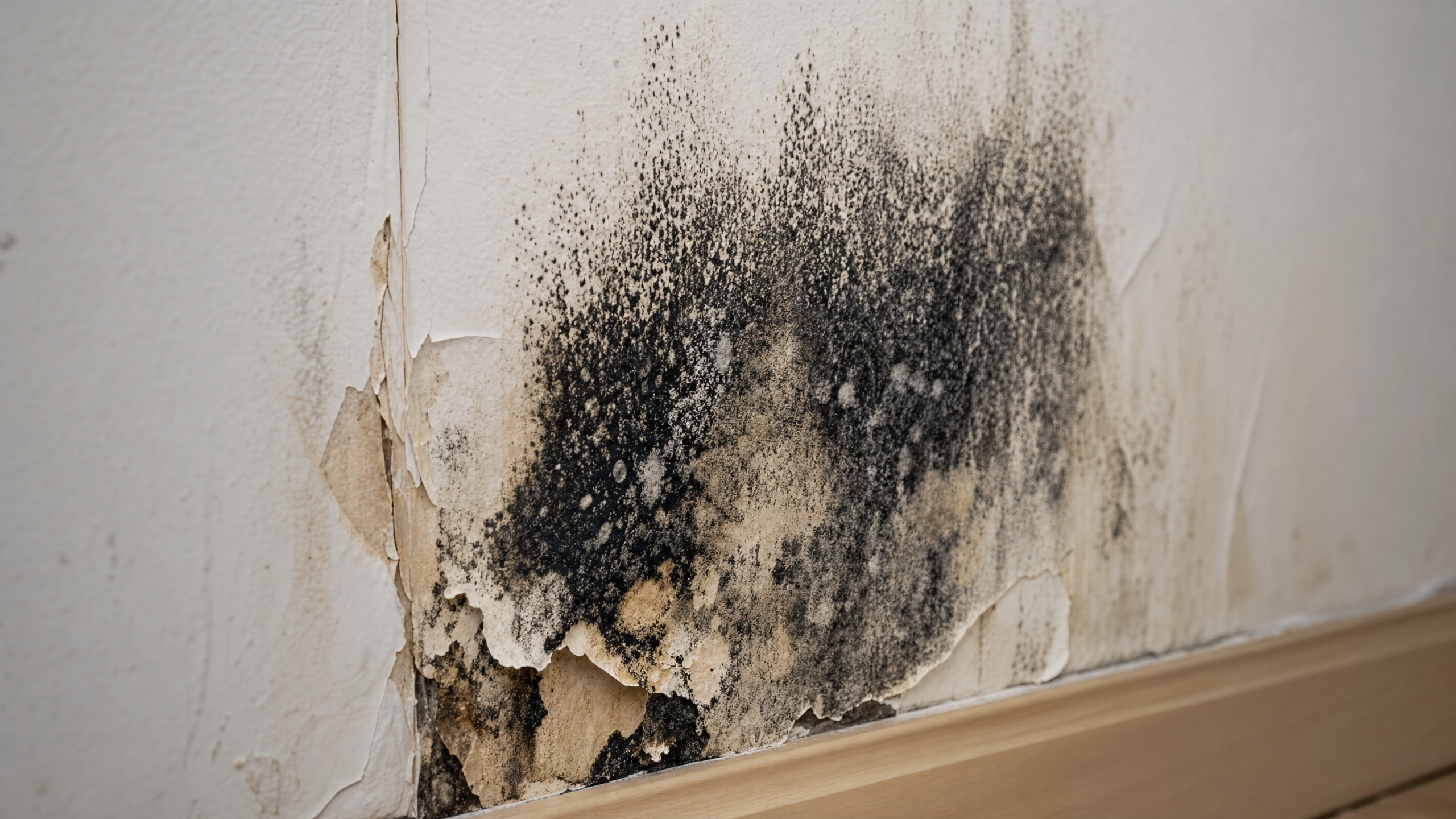
Stachybotrys chartarum, commonly known as "black mold," is a type of toxic mold that thrives in environments with chronic moisture and high cellulose content — exactly the conditions created by water damage. It appears as dark greenish-black patches and has a distinctively musty odor.
However, it is important to note that not all dark-colored mold is Stachybotrys, and not all dangerous mold is black. Any mold growth in a home following water damage should be treated as a serious health concern requiring professional assessment.
Health Risks of Mold Exposure
Mold exposure can cause a range of health problems, particularly for vulnerable populations including children, the elderly, and those with respiratory conditions or compromised immune systems. Common symptoms include chronic coughing and sneezing, eye and skin irritation, headaches, fatigue, and in severe cases, neurological symptoms.
The mycotoxins produced by toxic mold species can cause more serious long-term health effects with prolonged exposure. This is why the EPA and CDC both recommend professional remediation for any significant mold growth.
Need Professional Help Now?
Attempting DIY water damage restoration risks hidden mold growth, structural damage, and insurance claim denial. Connect with a certified pro today.
Call (800) 555-0199 — Free AssessmentSigns You Have a Mold Problem
Mold is not always visible. It frequently grows inside walls, under flooring, and in HVAC systems. Warning signs include a persistent musty odor even after cleaning, visible discoloration on walls or ceilings, worsening allergy or asthma symptoms when at home, and warping or staining of building materials.
If your home has experienced any water damage — even a slow leak — and you notice any of these signs, a professional mold inspection is strongly recommended.
The Professional Mold Remediation Process
Inspection & Testing: A certified industrial hygienist or mold inspector conducts air quality testing and visual inspection to identify the type and extent of mold growth.
Containment: The affected area is sealed off with plastic sheeting and negative air pressure to prevent mold spores from spreading to unaffected areas during remediation.
Air Filtration: HEPA air scrubbers run continuously during the remediation process to capture airborne mold spores.
Removal: Porous materials that cannot be effectively cleaned (drywall, insulation, carpet) are removed and disposed of according to EPA guidelines.
Cleaning & Treatment: All surfaces are cleaned with EPA-registered antimicrobial agents and treated to prevent regrowth.
Post-Remediation Verification: A clearance test is conducted by an independent inspector to verify that mold levels have returned to normal background levels.
Water damage gets worse every hour. Certified professionals in your area are standing by.
Why DIY Mold Removal Is Dangerous
Consumer mold removal products and bleach are effective only on non-porous surfaces. They cannot penetrate drywall, wood framing, or insulation where mold roots (hyphae) grow. Disturbing mold without proper containment releases millions of spores into the air, potentially spreading contamination throughout your home via the HVAC system.
Professional remediation is not just recommended — for significant mold growth, it is the only approach that actually resolves the problem and protects your family's health.